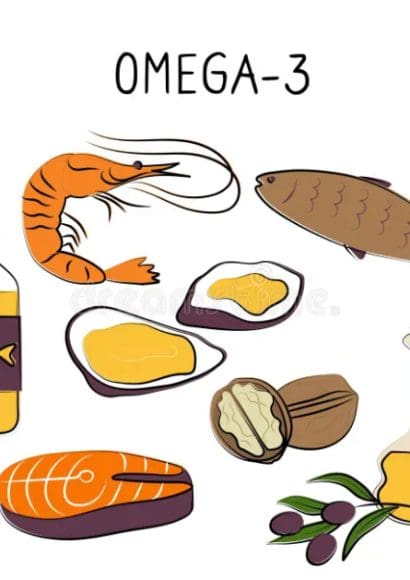
Eating healthy does not need to be hard. In fact, it can be fun, tasty, and easy. Omega-3 fatty acids in seafood are a great example of this idea. These healthy fats help our bodies and minds grow strong. Moreover, they come from delicious foods that many people already love.
So, let’s explore this topic step by step. First, we will learn what omega-3 fatty acids are. Then, we will see why seafood is such a great source. After that, we will talk about benefits, types of seafood, and easy tips. Finally, we will answer popular questions people search on Google.
Contents
- What are Omega-3 fatty acids?
- Why seafood is one of the best sources🐟
- Health benefits of Omega-3 fatty acids in seafood🐟
- Best seafood sources of Omega-3 fatty acids🐟
- How often should you eat seafood?🐟
- Omega-3 fatty acids in seafood for children🐟
- Is seafood safe for everyone?
- Cooking tips to keep Omega-3 fatty acids🐟
- Omega-3 supplements vs seafood🐟
- Environmental and sustainability concerns🐟
- Final thoughts on Omega-3 fatty acids in seafood
What are Omega-3 fatty acids?
To begin with, omega-3 fatty acids are healthy fats. Our bodies need them, but we cannot make them alone. Therefore, we must get them from food.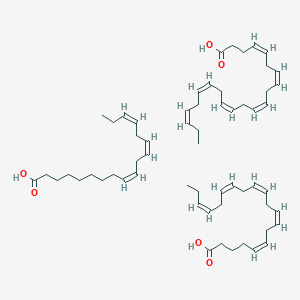
Why are Omega-3 fatty acids important?
Omega-3 fatty acids help many parts of the body. For example:
- They support the heart
- They help the brain work better
- They protect the eyes
- They reduce inflammation
- They help kids grow and learn
Because of this, eating foods rich in omega-3 is very important for all ages.
Why seafood is one of the best sources🐟
Now that we understand omega-3 fats, let’s talk about seafood. Seafood is one of the best natural sources of omega-3 fatty acids. Moreover, it provides them in a form the body can easily use.
Types of Omega-3 found in seafood
Seafood contains two main omega-3 types:
-
EPA (Eicosapentaenoic acid)
-
DHA (Docosahexaenoic acid)
These two forms are very powerful. Unlike plant omega-3, they work fast in the body. Therefore, doctors and nutrition experts often recommend seafood.
Health benefits of Omega-3 fatty acids in seafood🐟
1. Heart health comes first
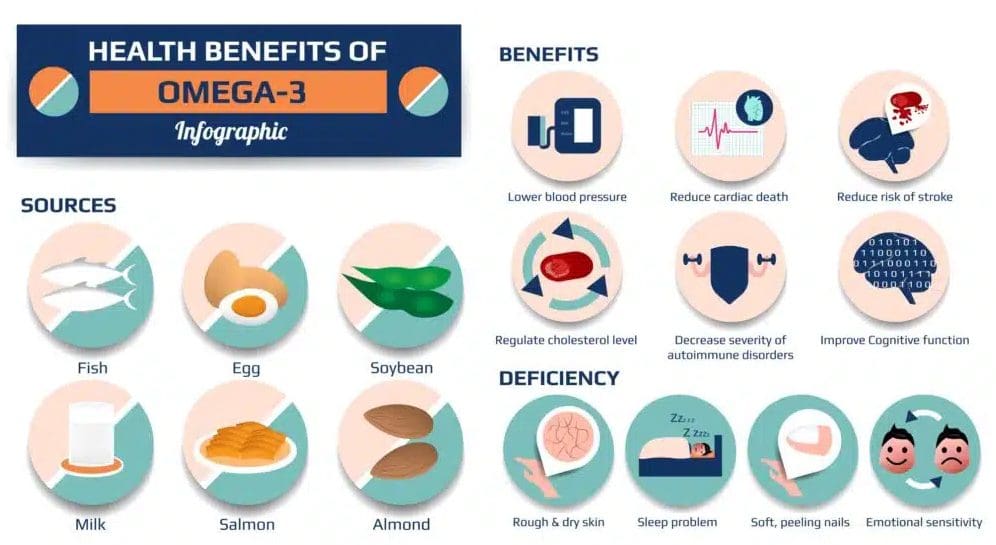
First of all, omega-3 fatty acids in seafood help keep the heart healthy. They:
- Lower bad cholesterol
- Reduce triglycerides
- Help control blood pressure
- Support smooth blood flow
As a result, people who eat seafood often have a lower risk of heart disease.
2. Brain power for kids and adults
Next, omega-3 fatty acids help the brain. DHA is especially important for:
- Memory
- Learning
- Focus
- Mood balance
Because of this, seafood is great for children, students, and older adults.
3. Eye health and clear vision
In addition, omega-3 fatty acids support eye health. DHA is a key part of the retina. Therefore, eating seafood can help protect vision and slow eye aging.
4. Strong joints and less pain
Furthermore, omega-3 fatty acids reduce inflammation. This means:
- Less joint pain
- Less stiffness
- Better movement
For this reason, people with arthritis often feel better when they eat more seafood. In addition, protecting seafood sources is crucial, which is why International fisheries regulations play a key role in ensuring sustainable fishing and healthy oceans for future generations.
Best seafood sources of Omega-3 fatty acids🐟
Now let’s look at the best seafood choices. Some fish contain much more omega-3 than others.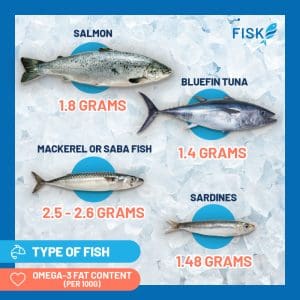
Top fatty fish rich in Omega-3
- Salmon
- Sardines
- Mackerel
- Anchovies
- Herring
These fish are oily, tasty, and very healthy.
Other seafood options
Although fatty fish are the best, other seafood also helps:
- Shrimp
- Crab
- Mussels
- Oysters
- Trout
So, even if you don’t like oily fish, you still have options.
How often should you eat seafood?🐟
According to experts, people should eat seafood at least two times per week. This amount gives enough omega-3 fatty acids for most people.
Simple weekly plan
Here is an easy example:
-
Monday: Grilled salmon
-
Thursday: Tuna sandwich or shrimp pasta
That’s it. Simple and effective.
Omega-3 fatty acids in seafood for children🐟

Children need omega-3 fats to grow well. Their brains and eyes develop fast. Therefore, seafood is very helpful for them.
Easy seafood ideas for kids
- Fish sticks (baked, not fried)
- Tuna salad
- Salmon burgers
- Shrimp tacos
Because these meals are fun, kids enjoy them more.
Is seafood safe for everyone?
Generally, seafood is safe. However, some fish contain mercury. Therefore, it is important to choose wisely.
Low-mercury seafood choices
- Salmon
- Sardines
- Trout
- Anchovies
On the other hand, pregnant women should avoid:
- Shark
- Swordfish
- King mackerel
By following these tips, seafood stays safe and healthy.
Cooking tips to keep Omega-3 fatty acids🐟
Cooking matters. Some methods protect omega-3 fats better.
Best cooking methods
- Baking
- Steaming
- Grilling
- Pan-searing with low heat
Avoid deep frying, because it destroys healthy fats.
Omega-3 supplements vs seafood🐟
Some people take omega-3 pills. However, real seafood is better.
Why seafood wins
- Better absorption
- More nutrients
- Natural taste
- No pills needed
Therefore, food always comes first.
Environmental and sustainability concerns🐟
Today, sustainability matters. Choosing the right seafood helps the planet.
Smart seafood choices
- Wild-caught fish
- Certified sustainable brands
- Local seafood when possible
As a result, you protect both your health and the ocean. Moreover, understanding how ocean events affect marine life is essential, as explained in The most devastating tsunamis on record: stories of waves that changed the world, where powerful waves reshaped oceans and coastal ecosystems forever.
Final thoughts on Omega-3 fatty acids in seafood
In conclusion, Omega-3 fatty acids in seafood are a simple gift from nature. They help the heart, brain, eyes, and joints. Moreover, they taste great and fit into many meals.
So, whether you are young or old, seafood can be your friend. By eating it regularly, you support a healthier and happier life.